

When a tank dewatering duty changes, the first useful step is to record what the system is doing. Low flow, unexpected product or a changed float response can have several causes, including a new process condition, a restriction or a maintenance issue.
This guide helps prepare a service request. It is not a repair procedure. Do not open, adjust, isolate or test a valve unless the approved manual and site procedure authorise the work and the responsible people have assessed it.
A safe evidence checklist for a Belfield Valve service request
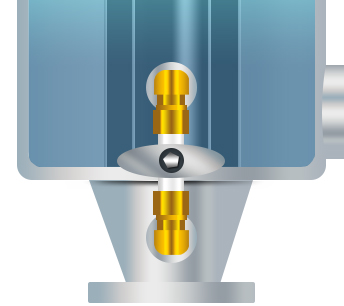
Identify the exact valve and installation
Read the nameplate using the site access procedure and record the model, serial number, material and any drawing or revision identifier. If the plate cannot be read safely, say so. A photograph of the plate and external arrangement can prevent confusion between similar assemblies.
Provide the approved general arrangement and the current piping diagram. Mark the tank nozzle, inlet and outlet, side run-off if used, vents, isolation valves, reducers, downstream equipment and receiving destination. Note any difference between the drawing and what is installed.
Record the date of installation, commissioning, most recent service and any component replacement if those facts are known. Do not infer internal trim or ballast settings from an external photograph.
- Model and serial number, or a note that they are unavailable
- Approved drawing and current P&ID revision
- External photographs taken under site rules
- Known commissioning and service dates
Describe the symptom with time and conditions
Replace labels such as faulty or stuck with observable facts. State whether flow is absent, slower than usual, intermittent, or continues longer than expected. Record when it first happened and whether the condition is repeatable across cycles.
Include liquid identities, temperatures, available head, expected flow, approximate tank level, viscosity information and whether the system is gravity fed or pumped. Note changes to incoming product, operating sequence, additives, shutdowns or downstream equipment.
Describe how the phase at the outlet was identified and where the observation or sample was taken. Include the method and units. A photograph of a sample may help with context but does not replace a representative measurement.
Capture the full route rather than only the valve
Flow depends on more than the body. A partly closed downstream valve, additional back pressure, a new filter, a venting change or a pipe modification may alter the duty. List every known change and distinguish it from a suspected cause.
Belfield installation guidance for gravity discharge calls for vertical orientation close to the vessel, an inlet no smaller than the valve inlet, a full bore outlet valve and short, straight downstream pipework. Compare the installed layout with the approved drawing and manufacturer instructions; do not alter it as a test.
For pump-fed service, attach pump details and identify check valves, bypasses and pressure conditions. Let the service team know whether the pump can create a different head or pressure condition during startup, shutoff or a blocked route.
Keep process change and equipment condition separate
A new liquid blend, colder operating temperature or a change in water content can change viscosity, density and the interface. Ask operations whether the process has changed before describing the behaviour as an equipment failure.
If a condition was recently cleaned, serviced or adjusted, preserve the before and after records and identify who performed the work under which procedure. Avoid changing ballast, clearances or internal parts while the cause is unknown.
For concerns involving solids, wax, sludge or deposits, describe the material and its likely concentration. Do not remove guards or open the valve to confirm a blockage unless the correct isolation and maintenance process has been approved.
Escalate abnormal or unsafe conditions through the site procedure
Unexpected product in an effluent route, leakage, loss of containment, a roof drain concern or an uncertain isolation state can require an immediate site response. Follow the emergency, environmental and permit procedures that apply to the installation.
HSE HSG176 gives drainage precautions for fixed bulk storage of flammable liquids, including keeping tank drainage valves blanked when not in use and avoiding reliance on a single valve during drainage. Its guidance has a particular scope; use the site safety case and applicable rules for the actual duty.
Do not continue a troubleshooting run merely to collect better evidence if the site procedure says to stop. Record that the operation was stopped, the condition observed and which responsible person took over.
Send a concise service package
A good request includes the model, drawing, symptoms, process conditions, timeline and safe external photographs. Put the question in the first sentence: for example, whether a changed liquid pair could explain a slower drain, or what information is needed to review a suspected restriction.
Attach measurement logs in their original units and include the time and sampling point. If there is a trend, show the normal range and the recent change. If information is not known, mark it as unavailable instead of estimating without a basis.
PMA supports application review, troubleshooting, inspection, maintenance and spare parts. A clear initial package helps the service team identify whether the next step is a document review, site visit or controlled inspection.
Keep the original operating record intact when sharing a summary. If a photograph has been cropped or annotated, retain the unedited version as well. Mark the date, equipment and direction of view so that a later inspection can compare the same location. Avoid sending only a conclusion without the supporting operating conditions.
Frequently asked questions
Can I adjust the float to see whether flow improves?
Do not make an adjustment as a diagnostic test. Use the approved model specific manual and site procedure, and contact the service team if the correct setting is uncertain.
What information is most useful for low flow?
Provide the valve identity, liquid properties, temperature, head, expected and observed rate, full pipe route, pump information if applicable, and the timing of the change.
Should I open the valve to look for a blockage?
Only an authorised maintenance team can decide that under the site isolation and permit process. This article is not an instruction to open or inspect equipment.
Does a service record prove that the whole roof drain was inspected?
No. Keep records tied to the component and inspection scope. The tank, roof, articulated drain, valve and outlet route may have different inspection responsibilities.
Sources and further reading
See Belfield support and service and the operating brochure for product specific guidance.
HSE HSG176 includes drainage precautions within its scope of fixed bulk flammable liquid storage.
Next steps
Send the model details, process data and a current drawing through Belfield support. For more about PMA, visit the PMA website.